| Model | Watt | Price per panel | Per watt | This week | Trend |
|---|---|---|---|---|---|
| Jinko Tiger Pro P-type (old stock)Mono PERC | 550 W | Rs 20,900 | Rs 38.0 | No change | |
| Jinko Tiger Pro P-type (old stock)Mono PERC | 540 W | Rs 20,520 | Rs 38.0 | No change | |
| Longi Hi-MO 5 (old stock)Mono PERC | 545 W | Rs 21,255 | Rs 39.0 | No change | |
| Crown N-type bifacial 20BBN-type TOPCon | 620 W | Rs 24,800 | Rs 40.0 | No change | |
| Trina Vertex N bifacialN-type i-TOPCon | 590 W | Rs 23,600 | Rs 40.0 | No change | |
| Crown N-type bifacial 16BBN-type | 585 W | Rs 23,400 | Rs 40.0 | No change | |
| JA Solar DeepBlue 4.0 N-type bifacialN-type | 585 W | Rs 23,545 | Rs 40.2 | No change | |
| Trina Vertex N bifacialN-type i-TOPCon | 620 W | Rs 25,110 | Rs 40.5 | No change | |
| Aiko Stellar 1N ABCN-type ABC | 620 W | Rs 25,110 | Rs 40.5 | No change | |
| Trina Vertex N UltraN-type i-TOPCon | 740 W | Rs 30,340 | Rs 41.0 | No change | |
| Risen Hyper-ion Pro HJTN-type HJT | 720 W | Rs 29,520 | Rs 41.0 | No change | |
| Astronergy ASTRO N5 bifacialN-type TOPCon | 585 W | Rs 23,985 | Rs 41.0 | No change | |
| Inverex Mustang bifacialN-type TOPCon | 585 W | Rs 24,280 | Rs 41.5 | No change | |
| Risen Hyper-ion HJTN-type HJT | 700 W | Rs 29,400 | Rs 42.0 | No change | |
| Jinko Tiger Neo N-typeN-type TOPCon | 580 W | Rs 24,505 | Rs 42.3 | No change | |
| Inverex Mustang double glassN-type | 620 W | Rs 26,350 | Rs 42.5 | No change | |
| Inverex Jolywood dual glassN-type | 600 W | Rs 25,500 | Rs 42.5 | No change | |
| Longi Hi-MO X7 bifacialN-type | 585 W | Rs 25,010 | Rs 42.8 | No change | |
| Aiko Stellar 1N+ ABCN-type ABC | 650 W | Rs 27,950 | Rs 43.0 | No change | |
| Jinko Tiger Neo 3.0 bifacialN-type TOPCon | 620 W | Rs 26,660 | Rs 43.0 | No change | |
| Canadian TOPHiKu6 bifacialN-type TOPCon | 590 W | Rs 25,370 | Rs 43.0 | No change | |
| Canadian TOPHiKu6 bifacialN-type TOPCon | 585 W | Rs 25,155 | Rs 43.0 | No change | |
| Jinko Tiger Neo N-type bifacialN-type TOPCon | 585 W | Rs 25,420 | Rs 43.5 | No change | |
| Longi Hi-MO X9N-type HPBC 2.0 | 600 W | Rs 26,400 | Rs 44.0 | No change |
On this page9 min read
The solar panel price in Islamabad is the same national rate you see in the table above, but Islamabad buyers tend to want something different from the rest of the country: larger systems for kanal houses, cleaner installations that pass a housing society’s rules, and a clear plan for IESCO’s net billing. This page covers the market, real system budgets, the IESCO file, the capital’s monthly solar output and how to pick an installer you will not regret.
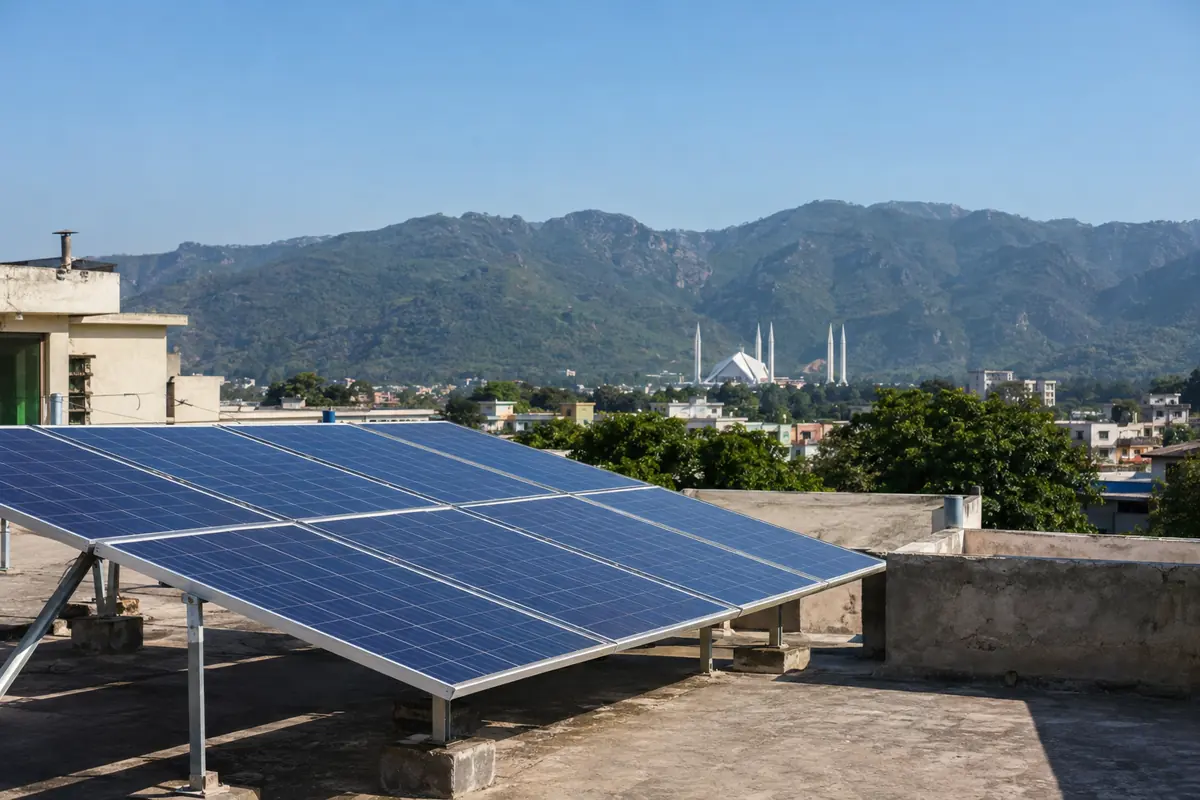
Solar panel markets in Islamabad
Islamabad is a planned city, so you will not find a crowded solar bazaar like Lahore’s Hall Road inside the sectors. Most buying happens through three channels:
- Installer and EPC offices spread across the sector markazes and main roads, who quote a complete system and handle IESCO.
- Brand distributors and larger solar companies serving the whole twin-city area, often with warehouses outside the residential sectors.
- Rawalpindi’s electrical traders, where some Islamabad buyers go for plates by the piece.
Because there is less walk-in wholesale trade in the capital, most people buying a solar panel in Islamabad never see the plate counter at all. That makes it more important to understand the plate price yourself before you accept a package quote. Today the cheapest A-grade 585 W plate is listed at Rs 23,400 and the cheapest 600 W plate at Rs 25,500.
| Model | Watt | Price per panel | Per watt | This week | Trend |
|---|---|---|---|---|---|
| Aiko Stellar 1N+ ABCN-type ABC | 650 W | Rs 27,950 | Rs 43.0 | No change | |
| Crown N-type bifacial 20BBN-type TOPCon | 620 W | Rs 24,800 | Rs 40.0 | No change | |
| Trina Vertex N bifacialN-type i-TOPCon | 620 W | Rs 25,110 | Rs 40.5 | No change | |
| Aiko Stellar 1N ABCN-type ABC | 620 W | Rs 25,110 | Rs 40.5 | No change | |
| Inverex Mustang double glassN-type | 620 W | Rs 26,350 | Rs 42.5 | No change | |
| Jinko Tiger Neo 3.0 bifacialN-type TOPCon | 620 W | Rs 26,660 | Rs 43.0 | No change | |
| Inverex Jolywood dual glassN-type | 600 W | Rs 25,500 | Rs 42.5 | No change | |
| Longi Hi-MO X9N-type HPBC 2.0 | 600 W | Rs 26,400 | Rs 44.0 | No change | |
| Trina Vertex N bifacialN-type i-TOPCon | 590 W | Rs 23,600 | Rs 40.0 | No change | |
| Canadian TOPHiKu6 bifacialN-type TOPCon | 590 W | Rs 25,370 | Rs 43.0 | No change | |
| Crown N-type bifacial 16BBN-type | 585 W | Rs 23,400 | Rs 40.0 | No change | |
| JA Solar DeepBlue 4.0 N-type bifacialN-type | 585 W | Rs 23,545 | Rs 40.2 | No change | |
| Astronergy ASTRO N5 bifacialN-type TOPCon | 585 W | Rs 23,985 | Rs 41.0 | No change | |
| Inverex Mustang bifacialN-type TOPCon | 585 W | Rs 24,280 | Rs 41.5 | No change | |
| Longi Hi-MO X7 bifacialN-type | 585 W | Rs 25,010 | Rs 42.8 | No change | |
| Canadian TOPHiKu6 bifacialN-type TOPCon | 585 W | Rs 25,155 | Rs 43.0 | No change | |
| Jinko Tiger Neo N-type bifacialN-type TOPCon | 585 W | Rs 25,420 | Rs 43.5 | No change |
| Panel choice Islamabad buyers often weigh | Why people pick it | Thing to check |
|---|---|---|
| 580 to 590 W N-type TOPCon | Best balance of price and output, fits most roofs | Exact model and datasheet |
| 600 to 650 W large-format plates | Fewer plates for a big system | Weight, size and whether your inverter strings suit it |
| Bifacial plates on raised frames | Extra yield from light reflecting off white roofs | Only worth it with a high frame and a light roof surface |
| Back-contact premium plates | Neat all-black look, strong efficiency | Higher price per watt |
Apartments and shared roofs
A growing number of Islamabad families live in apartment blocks, where the roof belongs to everyone. Solar is still possible, but the rules change:
- Get written permission from the building management or owners’ association before buying anything.
- Expect a small share of roof space, usually enough for a 1 to 3 kW system.
- Long cable runs from the roof to your flat cost money and some output, so ask the installer to price them separately.
- Net billing needs your own three-phase connection, which many flats do not have. A hybrid system that powers your flat without exporting may be the practical choice.
For a brand-by-brand list at the most popular size, see our 585 watt solar panel price page.
Solar system installation cost in Islamabad
Islamabad homes are often larger than the national average, so 10 kW and bigger systems are common, especially in kanal houses running several inverter ACs. The panel figures below are live. Other items are market ranges we checked as of October 2026.
| System size | Typical Islamabad home | Plates and panel cost today | Inverter and balance of system |
|---|---|---|---|
| 3 kW | Apartment or small house, fans and lights | 6 plates, Rs 140,400 | Rs 1,05,000 to 2,25,000 |
| 5 kW | 5 to 10 marla house, one or two ACs | 9 plates, Rs 210,600 | Rs 1,58,000 to 3,75,000 |
| 10 kW | Kanal house, three or more ACs | 18 plates, Rs 421,200 | Rs 3,25,000 to 5,90,000 |
“Balance of system” here means the inverter, mounting structure, DC and AC cable, breakers, surge protection, earthing and labour. The inverter is the biggest swing factor: a budget hybrid and a premium branded unit of the same size can differ by more than a lakh.
On-grid or hybrid in the capital?
| If your situation is | Consider | Because |
|---|---|---|
| Sector house with rare outages, big daytime use | On-grid inverter | Lowest cost, highest efficiency |
| Regular evening outages or heavy night AC use | Hybrid with a battery | Covers cuts and shifts solar to the evening |
| Home office or clinic that cannot go dark | Hybrid with a larger battery | A plain on-grid inverter switches off when IESCO supply fails |
Ways Islamabad homes shorten the payback
- Run ACs on a timer so the heaviest cooling happens between late morning and late afternoon, when the plates are producing most.
- Fit the water pump, washing machine and geyser element (if electric) to daytime schedules.
- Choose an inverter with a monitoring app so you can see how much you import at night and adjust habits.
- Keep the system clean in pollen season and after dust storms. A dirty array can lose a noticeable share of its output without anyone noticing.
Our 5kW solar system price and installation cost guides go deeper into each line item.
Net metering in Islamabad: step by step with IESCO
Islamabad’s electricity comes from IESCO, which also covers Rawalpindi, Attock, Jhelum and Chakwal. Since 9 February 2026, new solar connections fall under NEPRA’s Prosumer Regulations 2026 and are on net billing. Exported units are credited at the national average energy purchase price, which NEPRA sets, while every unit you import is billed at your normal IESCO tariff. Agreements signed before that date continue on their old terms until they expire.
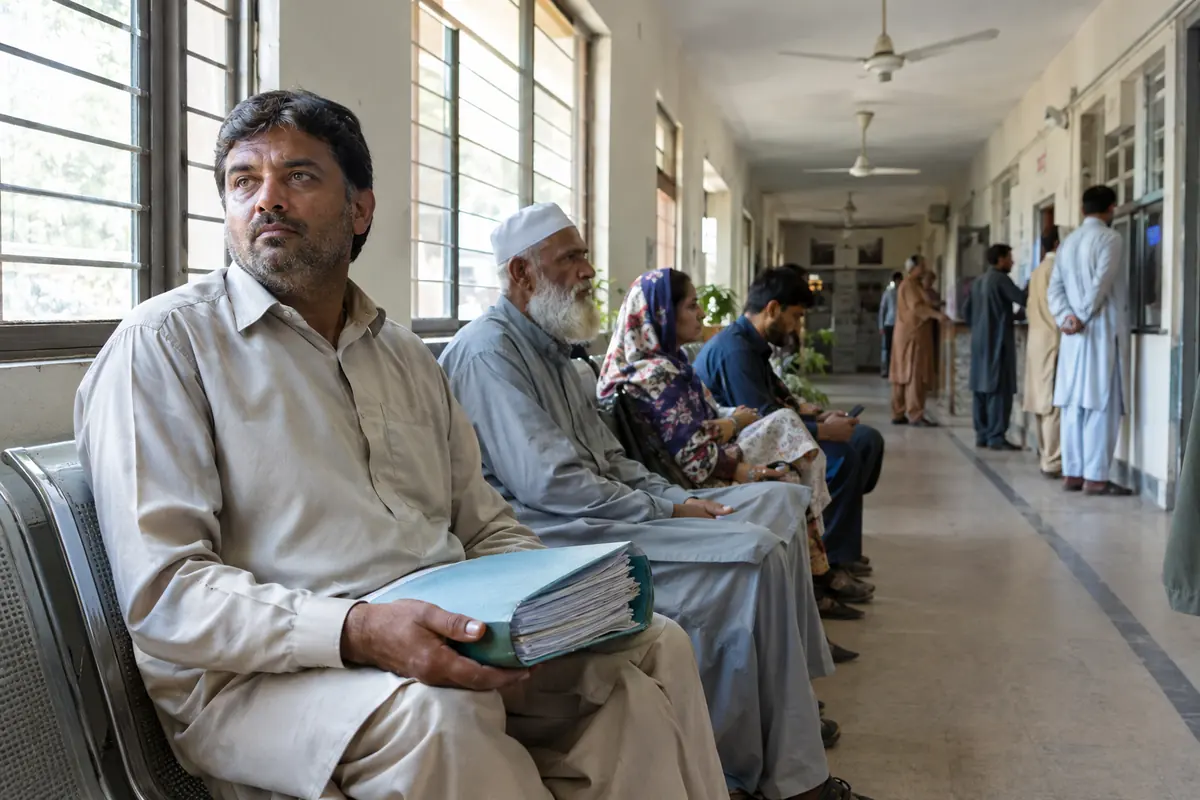
Documents to keep ready
- A recent IESCO bill showing a three-phase connection and your sanctioned load
- CNIC of the account holder
- Proof of ownership, or the owner’s written consent if you rent
- Single-line diagram and equipment list from your installer (panel model, inverter model with UL 1741 compliance)
- The standard application form and an affidavit on Rs 50 non-judicial paper for NEPRA
The process in order
- Your installer submits the file to IESCO. IESCO acknowledges it and checks completeness within 5 working days.
- IESCO runs a technical review within 15 working days. If your transformer already carries solar equal to 80% of its rating, IESCO can refuse.
- You sign the interconnection agreement within 7 working days of approval.
- IESCO sends a cost estimate for the meter and connection within 7 working days, and you pay within 7 working days.
- IESCO fits the bidirectional meter and commissions the link within 15 working days of payment.
- NEPRA grants its concurrence after IESCO forwards the file and the Rs 1,000 per kW fee is paid. The agreement runs for 5 years and can be renewed by mutual consent.
As of October 2026, budget roughly Rs 15,000 to 50,000 for the meter and connection work, depending on size.
If IESCO turns your file down
A refusal is not always the end. The regulations require IESCO to give reasons, and the common ones can often be fixed:
| Reason given | What you can do |
|---|---|
| System larger than sanctioned load | Apply for a load extension, or reduce the system size |
| Single-phase connection | Apply for a three-phase connection first |
| Transformer already at its solar limit | Ask whether a transformer upgrade is planned, or go hybrid without export |
| Missing or wrong documents | Correct and resubmit within the time given |
Upgrading an older net-metered system
Islamabad has many early solar adopters whose systems date back several years. If you are on an old net metering agreement, think carefully before adding plates or swapping the inverter for a bigger one. NEPRA’s amended rules say the old terms do not survive a material modification that changes your system’s maximum output, and any modification needs fresh NEPRA concurrence with at least 40 working days’ notice. Replacing a failed inverter with the same capacity is a different matter from enlarging the system, so check with IESCO before you buy.
Sun hours and solar output in Islamabad
Islamabad has a planning average of about 5.0 peak sun hours a day. Its cooler climate is an advantage in winter and spring because panels run closer to their rated efficiency, but the monsoon is long and heavy. The figures below are modelled with the European Commission’s PVGIS tool (ERA5 data) for a 10 kW system facing south at 33 degrees with 14% system losses.
| Month | 10 kW system, units per day | 10 kW system, units in the month |
|---|---|---|
| January | 42 | 1,290 |
| February | 42 | 1,180 |
| March | 46 | 1,420 |
| April | 49 | 1,460 |
| May | 48 | 1,470 |
| June | 44 | 1,330 |
| July | 39 | 1,200 |
| August | 39 | 1,220 |
| September | 45 | 1,340 |
| October | 47 | 1,460 |
| November | 44 | 1,330 |
| December | 44 | 1,350 |
That is about 16,000 units a year from 10 kW, or roughly 1,600 units per kW. Use our solar panel calculator to match this against your own IESCO bill.
Winter is shorter on daylight but kind to panels. Clear, cool days in November and December give steady output, and the occasional foggy morning in January usually burns off by noon. The months that disappoint are July and August, when thick cloud can sit over the Margallas for days.
Pollen, hail and the Margalla breeze
- Spring pollen: Islamabad’s pollen season in March and April coats panels with a fine yellow film. Rinse panels every week or two in those months, early in the morning.
- Hail: spring and pre-monsoon storms can bring hail. Prefer plates with a strong hail rating and avoid thin-glass budget panels.
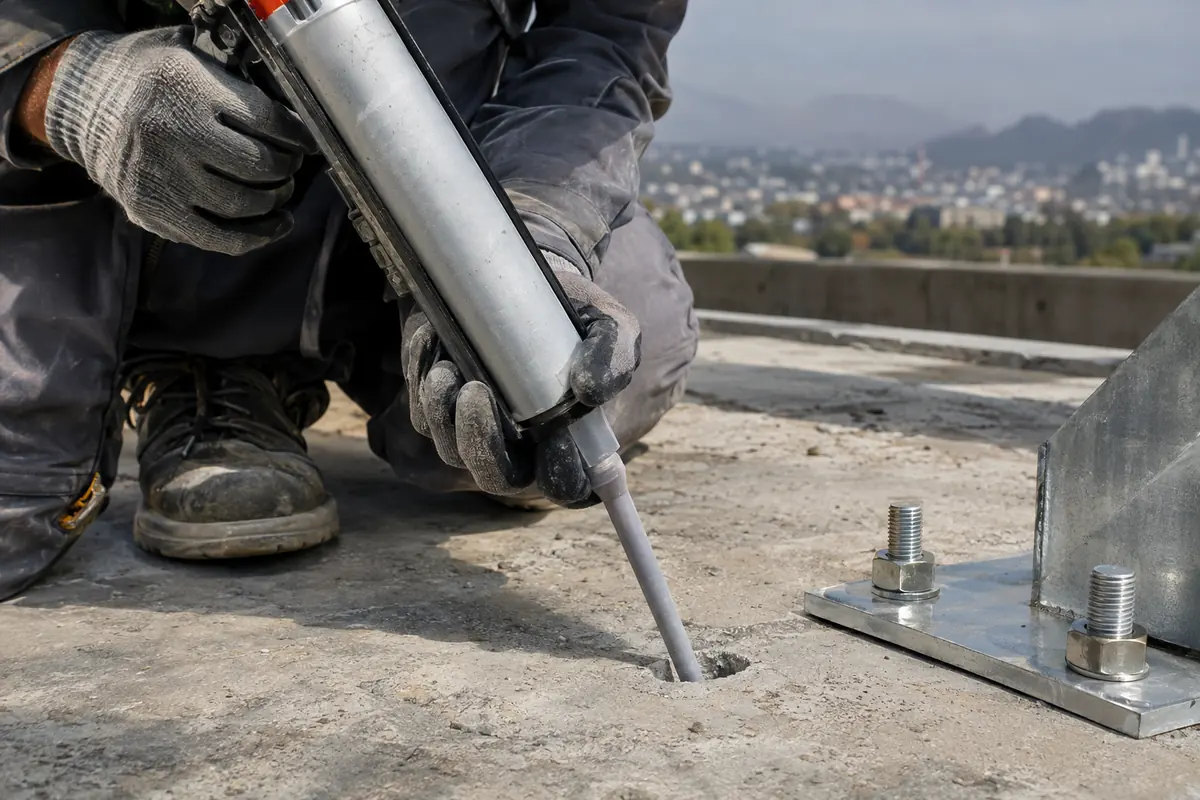
- Wind: storms sweeping down from the hills put load on raised frames. Use through-bolted or chemically anchored legs and cross-bracing.
- Lightning: a proper earthing pit and surge protection on both the DC and AC side protect the inverter during the monsoon.
How to choose a solar installer in Islamabad
Islamabad clients often pay more for a neat job, so many firms market themselves as premium. Look past the brochure with these checks:
| Ask the installer | A good answer looks like |
|---|---|
| Are you on PPIB’s certified installer list? | Yes, with their category and certificate shown |
| Which exact panel and inverter models are in this quote? | Model numbers, not just brand names |
| How will you fix the frame to my roof? | Chemical anchors or ballast, with waterproofing |
| Who handles the IESCO and NEPRA file, and what does it cost? | A clear fee and a named person |
| Does your design follow my society’s rules on height and visibility? | They have worked in your sector or society before |
| What do you cover after installation? | Workmanship warranty in writing, plus a service visit plan |
Before work starts, check your housing society’s or building’s rules on rooftop structures. Some societies limit frame height or ask for drawings before installation, and fixing a frame after a complaint costs far more than designing it right the first time.
Start your shortlist with our page on solar panel companies in Pakistan.
Islamabad vs other cities: price difference
For an identical plate, Islamabad pays roughly what everyone else pays, give or take freight. The bigger differences come from what Islamabad homes ask for.
| Factor | Islamabad | Rawalpindi | Lahore | Multan |
|---|---|---|---|---|
| Plate price | National rate plus freight | Same as Islamabad | Close to national rate | National rate plus freight |
| Utility | IESCO | IESCO | LESCO | MEPCO |
| Yearly units per kW | About 1,600 | About 1,610 | About 1,610 | About 1,680 |
| Best fixed tilt | About 33 to 34 degrees | About 33 degrees | About 31 degrees | About 30 degrees |
| Main local risk | Hail, pollen, storms | Monsoon leaks | Smog | Extreme heat and dust |
Put simply, a solar panel Islamabad buyers order costs about the same as in Lahore or Faisalabad, and the plate is rarely where the money goes. A 10 kW system with a branded hybrid inverter, a battery, a raised and braced frame and concealed cabling can cost well over twice as much as a basic 10 kW on-grid build with the same plates. Both can be the right answer. Decide first what you need from the system (lower bills, backup during cuts, or both), then ask every installer to quote that same specification so the comparison is fair.
If you live on the twin-city border, our Rawalpindi page covers the older-roof side of the story. For national rates, go back to the solar panel price in Pakistan home page.
Frequently asked questions
What is the solar panel price in Islamabad today?
The cheapest A-grade 585 W plate is currently around Rs 20,520, and the live table on this page lists other brands and sizes. Islamabad pays roughly the national rate plus a small freight margin.
Where can I buy a solar panel in Islamabad?
Most buyers go through installers and solar companies based in the sector markazes, or through distributors serving the whole twin-city area. Some people buy plates from electrical traders in Rawalpindi and hire a separate installer.
Is net metering still available with IESCO?
New IESCO connections are on net billing under NEPRA's Prosumer Regulations 2026. Homes that signed net metering agreements before 9 February 2026 keep their old terms until their agreement expires.
Can I add more panels to my old net-metered system in Islamabad?
You can, but enlarging the system counts as a material modification. It needs fresh NEPRA concurrence, and the old net metering benefits do not carry over to a system whose maximum output has changed, so speak to IESCO before buying extra plates.
How many units does a 10 kW system make in Islamabad?
Roughly 16,000 units a year, or about 1,330 a month on average. April, May and October are the strongest months, and July and August are the weakest because of monsoon cloud.
How often should I clean solar panels in Islamabad?
Every two to three weeks in dry months, weekly during the March and April pollen season, and after any dust storm. The monsoon rinses panels naturally, so July and August need little cleaning.
Do Islamabad housing societies allow rooftop solar?
Rooftop solar is widely installed across the city, but some societies and buildings have rules on frame height or ask for drawings first. Check with your society office before work starts.
What size solar system does a kanal house in Islamabad need?
Many kanal houses with three or more inverter ACs install around 10 kW, but the right size is set by your daytime load and your sanctioned load. Under net billing, oversizing to export more rarely pays off.